


Sep 15 , 2026
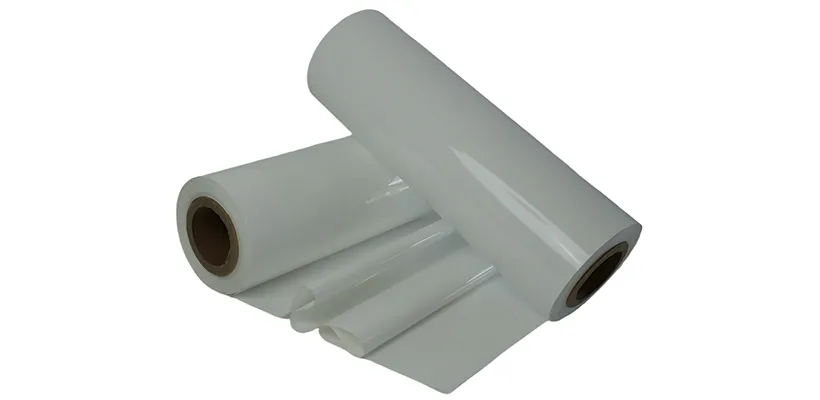
BOPP synthetic paper is a highly practical choice when a printed item must look and feel like premium paper but perform like a durable film. It is the go-to substrate for labels, tags, menus, packaging inserts, and promotional graphics that routinely face moisture, repeated handling, or tearing.
While traditional paper remains perfectly appropriate for dry, short-life applications, synthetic paper becomes invaluable when your service conditions demand superior resilience.
BOPP stands for Biaxially Oriented Polypropylene. During the manufacturing process, polypropylene film is stretched in both the machine and transverse directions, which significantly improves its dimensional stability and mechanical performance. The surface is then specially engineered to accept printing, coating, laminating, or converting. The result is a highly functional material offering a paper-like appearance backed by a robust film structure.For projects requiring a printable, water-resistant substrate, BOPP synthetic paper succeeds where ordinary paper fails—preventing moisture absorption, curling, or tearing. Because available grades can differ in surface finish, opacity, thickness, print treatment, and compatibility with downstream processes, buyers should always select a grade based on its end-use environment rather than just its visual appeal.
Traditional paper is made from cellulose fibers. It is familiar to printers, brands, and consumers, easy to fold, write on, and highly recyclable through established paper streams (provided coatings or laminates do not interfere). It remains the most cost-effective option for indoor materials with a brief service life.BOPP synthetic paper, however, behaves differently than wood-pulp paper. It delivers exceptional resistance to water and tearing, though it may require specific adjustments in ink choice, drying times, static control, and finishing settings on the press. Its lack of moisture absorption guarantees better dimensional consistency, while its film structure may alter how the final piece is folded, bound, and disposed of. Ultimately, the choice should be driven by the project's complete performance requirements.
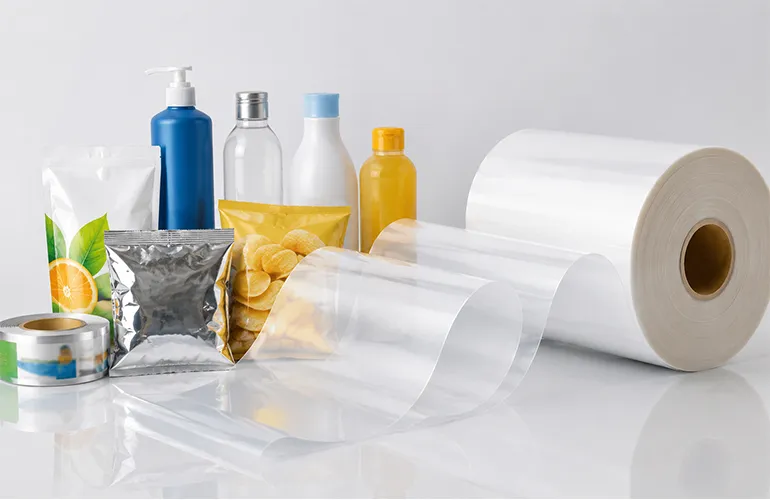
In the packaging sector, synthetic paper can function flawlessly as a label face stock, hang tag, liner, insert, or decorative component. Its opacity and smooth print surface ensure graphics remain crisp, while its tear resistance protects vital information throughout the supply chain. Food, beverage, personal care, and industrial packaging projects highly value its resistance to condensation and rough handling.When selecting materials for food-related applications, however, it is critical to evaluate product-contact requirements, migration testing, and the specific adhesives and inks used. Following guidelines set by agencies like the U.S. Food and Drug Administration (FDA) is essential. Rather than assuming all polypropylene grades are food-safe, buyers must request relevant compliance documentation.For a tailored approach, partnering with material experts like FouLey allows brands to explore a comprehensive BOPP film range, helping you easily distinguish the right synthetic-paper grades from pearlized or other application-specific films.
To prevent common sourcing mistakes—like choosing a material just because it "feels" durable—always ask your supplier these critical questions to confirm how it will perform during printing, converting, packing, and end-use:Printing: Which printing methods and ink systems are highly recommended?Treatment: Is the material supplied with one-side or two-side print treatment?Specs: What specific opacity, thickness, and surface finishes are available?Converting: Will the product handle folding, die-cutting, laminating, or heat sealing efficiently?Environment: What precise levels of moisture, temperature, and chemical exposure will it face?Compliance: Which regulatory and compliance reports are available for your intended market?
It is generally highly water-resistant. However, the overall waterproof durability of the printed item also depends heavily on the type of ink, coating, adhesive, and finishing process used.
Absolutely. It is a top choice for durable labels, especially in environments where moisture, tearing, or repeated handling are expected.
Often, yes. However, press settings, ink selection, drying times, and static control mechanisms may need adjustment. A preliminary print trial is always recommended.
No. Traditional paper is usually more economical and perfectly appropriate for dry, short-lived applications. Synthetic paper is the better choice only when extra durability and resilience are required.
Ready to upgrade your printing and packaging materials? Ensuring you have the right substrate is the first step toward a flawless finished product. Contact the experts at FouLey today to discuss your project requirements, explore our advanced BOPP synthetic paper options, and request a sample for your next print trial.

 English