


Sep 18 , 2026
PETG resin pellets are purchased for a diverse range of manufacturing routes, including shrink film, extrusion, injection molding, extrusion blow molding, sheet production, and 3D-printing filaments. However, a grade that performs exceptionally well in one process may be highly inefficient in another.
Buyers should therefore compare resins by application, processing window, melt behavior, optical requirements, and quality consistency, rather than making purchasing decisions based solely on price or a generic "PETG" label.
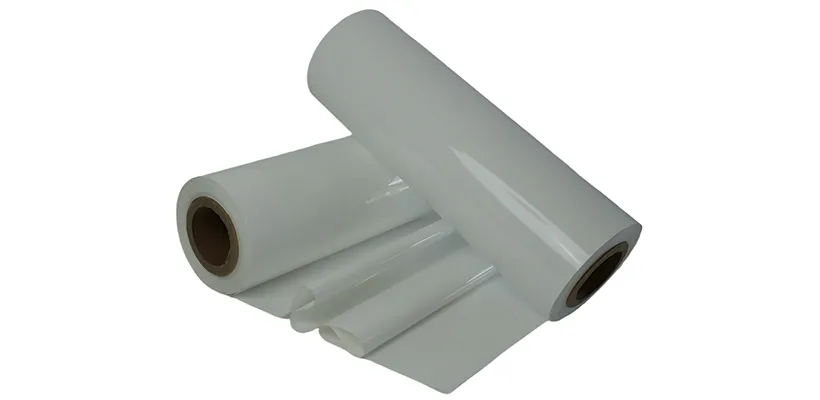
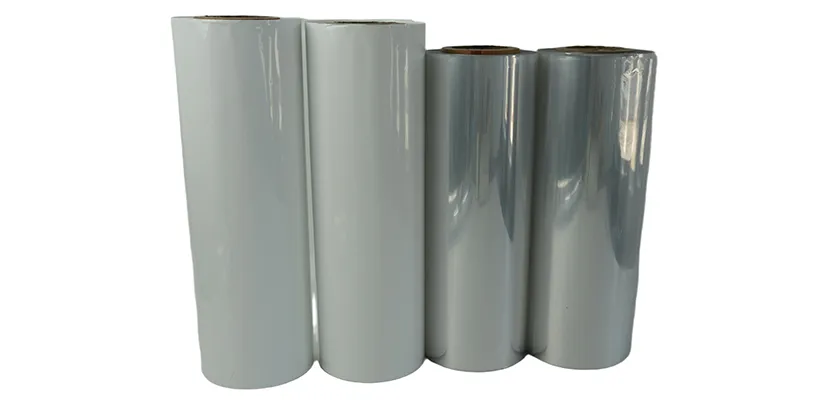
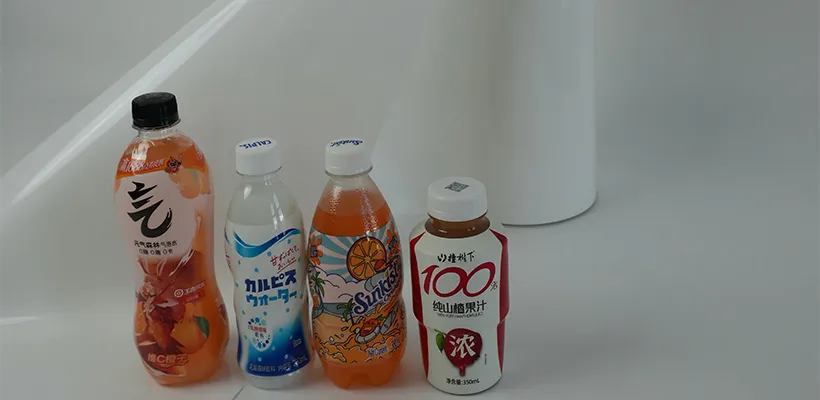
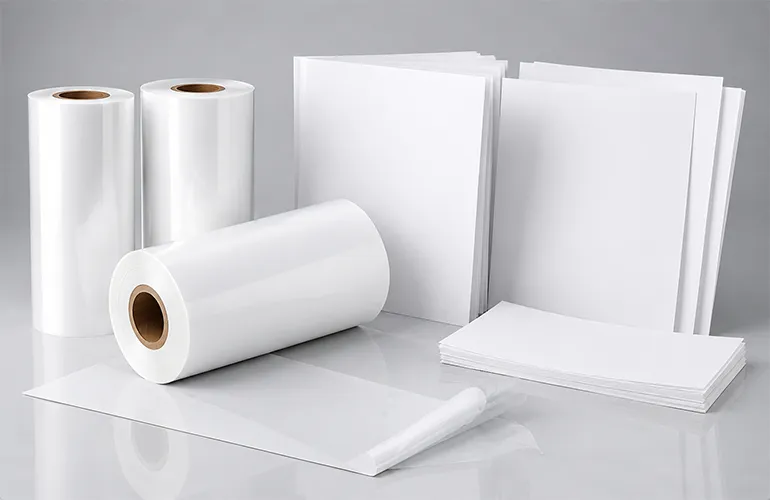
Film production requires highly stable resin behavior; even minor variations can drastically affect thickness, orientation, shrink response, and surface quality. Buyers should actively discuss intrinsic viscosity (IV) or melt-flow indicators, drying conditions, extrusion temperatures, filtration, optical performance, and batch-to-batch consistency with their suppliers. For shrink-film applications, the relationship between resin formulation and orientation behavior is particularly critical.Film manufacturers should always request a trial quantity to compare die pressure, output stability, gel formation, haze, and winding performance in real-world conditions. For manufacturers researching reliable materials for heat-shrinkable films, partnering with specialized suppliers like FouLey—who offer dedicated film-grade PETG pellets—ensures you get the exact formulation needed for optimal production and minimal waste.
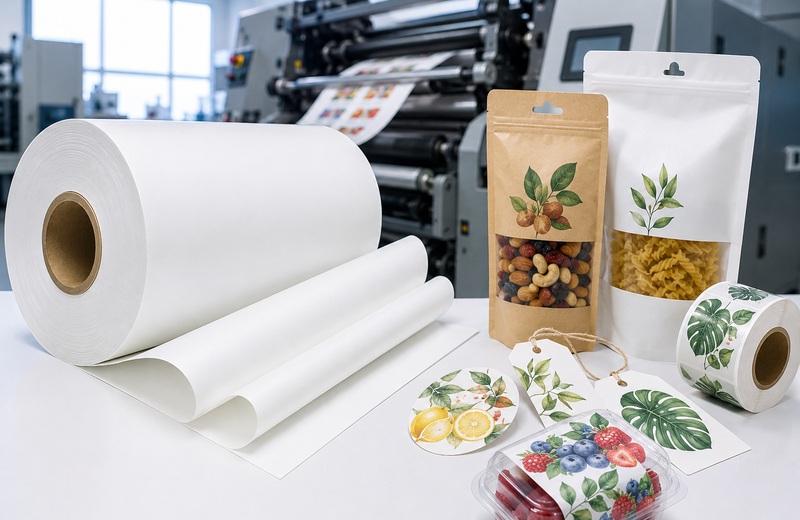
Extrusion and blow-molding operations require a resin that perfectly matches the equipment, part design, and target wall thickness distribution. Variables such as melt strength, viscosity, cooling behavior, and dimensional stability directly influence cycle times and finished-part quality. Furthermore, transparent packaging demands strict attention to haze, contamination, and surface defects.Whether you are producing sheets, panels, cosmetic containers, or clear packaging, you should provide your supplier with detailed process data: machine model, part thickness, mold design, target clarity, and impact requirements. Selecting a dedicated extrusion and blow-molding PETG grade based on these parameters is far more effective than choosing a general-purpose resin blindly.
To ensure consistent quality and regulatory compliance, buyers should request the following documents before committing to a supplier: Technical Data Sheet (TDS) and recommended processing conditions.Certificate of Analysis (COA) for each production batch.Information on pellet size, color, haze, and contamination control protocols.Packaging, storage, and moisture-control recommendations.Traceability, change-control, and complaint-handling procedures.Additionally, food-contact suitability should always be verified for the specific resin and its intended use. Following guidelines from regulatory bodies like the U.S. Food and Drug Administration (FDA) is essential. A broad statement that a polymer family is “food safe” should never replace grade-specific documentation and proper migration evaluation.
A remarkably low unit price can quickly be offset by unstable processing, high drying loss, contamination, inconsistent coloring, or elevated reject rates. When comparing bulk PETG pellet quotations, buyers should calculate the cost per acceptable finished kilogram rather than just the raw resin price. Factor in packaging type, pallet protection, shipping conditions, lead times, minimum order quantities (MOQ), and the level of technical support provided.For a new supplier partnership, a staged qualification process is highly recommended: start with a laboratory sample, move to pilot production, place a limited commercial order, and finally transition to routine supply. Document process settings and inspection results at each stage so your purchasing and production teams can objectively compare batch consistency.
Yes, in most melt-processing applications, proper drying is crucial. Absorbed moisture can severely affect processing stability, cause molecular degradation, and ruin product quality. Always follow your supplier's grade-specific drying recommendations.
Not necessarily. The required melt strength, stretch behavior, and performance targets differ significantly between these processes. It is always best to evaluate application-specific grades to maximize yield and quality.
Haze can be caused by several factors, including excessive moisture, contamination, unsuitable processing temperatures, poor cooling control, mold surface defects, or simply using an incorrect resin grade for the application.
A thorough sample test should evaluate processing stability, visual appearance (clarity and color), mechanical performance, dimensional consistency, scrap rate, and overall compatibility with your existing production equipment.
Ready to optimize your production with the right PETG formulation? Whether you need high-performance film-grade resin or reliable extrusion materials, choosing the right partner makes all the difference. Contact FouLey today to request a technical data sheet, secure a sample for your next trial run, and discover how our specialized PETG pellets can improve your manufacturing efficiency.
This is the first one.

 English